Pregnancy Diet Plan
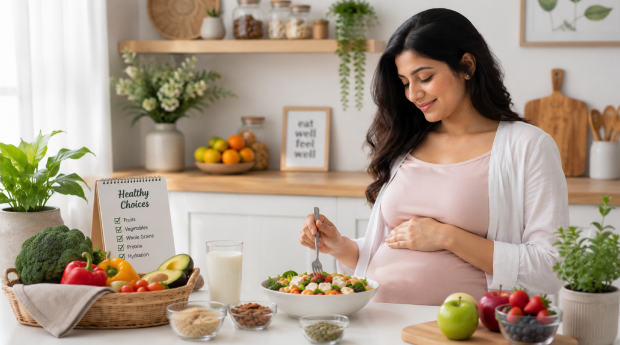
Pregnancy Diet Plan: What to Eat in Every Trimester
Good nutrition matters at every stage of pregnancy, but it matters even more when you have conceived through fertility treatment. At Rekha Sagar Fertility Centre, our patients often ask their fertility specialist the same question soon after a positive pregnancy test: what should I actually be eating now?
There is no single perfect diet for pregnancy, but there are a few nutrients and habits that make a real difference. Here is a simple, practical pregnancy diet plan our gynecologist in Karimnagar shares with patients after IVF, IUI, or natural conception.
Key Nutrients You Need During Pregnancy
Folic acid: Essential in the early weeks to support your baby's neural tube development. Leafy greens, lentils, citrus fruits, and fortified cereals are good sources, along with a prenatal supplement recommended by your doctor.
Iron: Your blood volume increases significantly during pregnancy, so iron needs rise too. Include spinach, dates, jaggery, lean meat, and legumes, and pair them with vitamin C rich foods like lemon or amla to improve absorption.
Calcium: Needed for your baby's bones and teeth. Milk, curd, paneer, sesame seeds, and ragi are all good options.
Protein: Supports the growth of your baby's tissues and your own changing body. Eggs, dals, milk, paneer, chicken, and fish are all reliable sources.
Omega 3 (DHA): Important for brain development. Walnuts, flaxseeds, and fish such as salmon (if you eat non vegetarian food) are helpful additions.
Fibre: Helps manage the constipation that many women experience during pregnancy. Whole grains, fruits, and vegetables are the easiest way to get enough.
First Trimester Diet
The first trimester often comes with nausea and food aversions, so the goal here is simply to eat what you can tolerate while keeping meals small and frequent.
- Start the day with light, easy to digest foods such as idli, poha, or a banana.
- Keep dry snacks like roasted chana or plain biscuits nearby to manage nausea.
- Sip on ginger tea or lemon water if morning sickness is troubling you.
- Avoid raw papaya, pineapple in large amounts, and unpasteurised dairy.
- Continue any folic acid or prenatal vitamins prescribed by your fertility specialist.
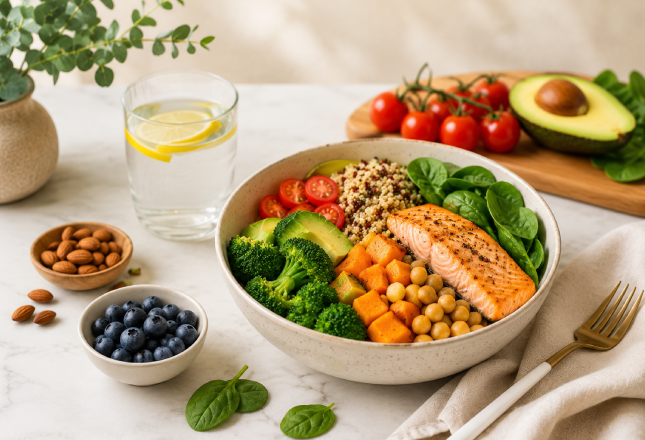
Second Trimester Diet
Appetite usually improves in the second trimester, and this is when your baby's growth accelerates.
- Add an extra 300 to 350 calories a day through nutrient dense foods rather than empty calories.
- Include iron rich foods daily, such as dals, leafy greens, and jaggery.
- Add a mid morning and mid evening snack, like fruit, nuts, or a glass of milk.
- Stay well hydrated and limit excess salt and processed food.
- Continue calcium rich foods to support your baby's developing bones.
Third Trimester Diet
As your due date approaches, your baby needs steady nourishment and your own body needs extra support for delivery and breastfeeding ahead.
- Increase protein intake slightly to support your baby's final growth spurt.
- Continue iron and calcium rich foods, since needs stay high through this stage.
- Eat smaller, more frequent meals if you feel breathless or full quickly, since the growing baby leaves less room for your stomach.
- Include fibre rich foods and plenty of water to ease constipation and bloating.
- Avoid overly oily or heavy meals close to bedtime.
A Simple Sample Day
- Morning: A glass of milk or soaked almonds, followed by idli or vegetable upma.
- Mid morning:
A seasonal fruit or a handful of nuts. - Lunch:
Roti or rice, dal, a vegetable curry, curd, and a small salad. - Evening:
Roasted chana, sprouts, or a fruit smoothie. - Dinner:
A light meal with dal or paneer, vegetables, and one roti or a small portion of rice.

Foods to Limit or Avoid
- Raw or undercooked meat, fish, and eggs
- Unpasteurised milk and soft cheeses
- Excess caffeine
- Alcohol and smoking, in any amount
- High mercury fish
- Street food and food with uncertain hygiene standards
Why This Matters After Fertility Treatment
For women who have undergone IVF or IUI treatment, a well planned pregnancy diet supports not just the baby's growth but also the mother's recovery and overall wellbeing through what can be an emotionally intense journey. As one of the leading fertility centres in Karimnagar, Rekha Sagar Fertility Centre offers personalised nutrition guidance alongside every pregnancy we support.
Every pregnancy has its own needs, especially where fertility treatment or existing health conditions are involved. Always discuss your specific diet plan with your gynecologist or fertility specialist rather than following a generic chart, and reach out to our team if you have any questions along the way.