Menopausal
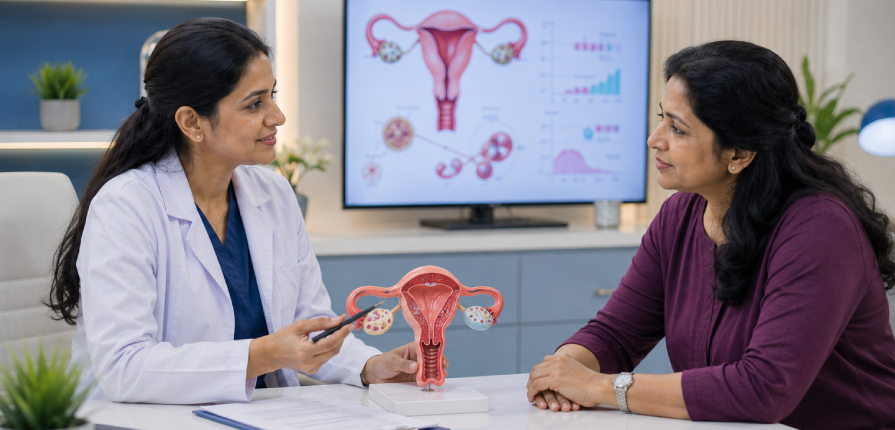
Menopausal Clinic in Karimnagar | Expert Menopause Care & Treatment
Find Comfort, Confidence & Better Health During Menopause
Menopause is a natural stage in every woman’s life, but the symptoms can be disruptive enough to affect your daily routine, emotional wellbeing, and long-term health if left unmanaged. If you are experiencing hot flashes, irregular periods, mood swings, disturbed sleep, or other changes, you don’t have to simply wait it out.
At Rekha Sagar IVF & Research Center in Karimnagar, we provide compassionate, evidence-based menopause care that focuses on improving your quality of life at every stage of the transition. Under the guidance of Dr. Rekha Rani, every woman receives a personalised evaluation and treatment plan based on her symptoms, age, medical history, and lifestyle, not a generic checklist applied to every patient.
Perimenopause, Menopause, and Postmenopause - What’s the Difference?
These three terms are often used interchangeably, but they describe different stages, and understanding which one you are in shapes how we approach treatment.
Perimenopause
is the transition period leading up to menopause, which can start several years before periods actually stop, often in a woman’s forties, though sometimes earlier. During this stage, oestrogen and progesterone levels fluctuate rather than dropping steadily, which is why symptoms like irregular cycles, hot flashes, and mood swings can appear well before periods stop altogether.
Menopause
itself is a single point in time: it is confirmed retrospectively once a woman has gone 12 consecutive months without a menstrual period, due to the natural decline in ovarian hormone production. The average age for this in India is around 46-49, though it varies by individual.
Postmenopause
refers to all the years following that point. Many of the symptoms of perimenopause ease off during postmenopause, but the lower, steadier hormone levels bring a different set of long-term considerations, particularly for bone density and cardiovascular health, which is why ongoing follow-up matters even once the more disruptive symptoms have settled.
Common Symptoms
- Irregular or missed periods
- Hot flashes and night sweats
- Difficulty sleeping
- Mood swings
- Vaginal dryness
- Fatigue
- Weight gain
- Joint pain
- Memory and concentration problems
How Hormone Replacement Therapy (HRT) Works
Hormone Replacement Therapy replaces the oestrogen, and in most cases progesterone, that the ovaries stop producing during and after menopause. It is one of the most effective treatments available for hot flashes, night sweats, and vaginal dryness, and it also helps protect bone density, which declines more quickly in the years immediately after menopause.
HRT is not a one-size-fits-all prescription. It comes in several forms, tablets, patches, gels, and vaginal preparations, and the right choice depends on your specific symptoms, whether you still have a uterus, and your broader health history, including any personal or family history of blood clots, certain cancers, or heart disease. Dr. Rekha Rani reviews this history carefully before recommending HRT, and treatment is typically started at the lowest effective dose and reviewed periodically rather than continued indefinitely without reassessment.
Non-Hormonal Treatment Options
HRT is not the right choice for every woman, and it isn’t the only effective option. For women who prefer to avoid hormones, or for whom HRT is not medically suitable, several non-hormonal approaches can meaningfully reduce symptoms, including specific non-hormonal medications for hot flashes, vaginal moisturisers for dryness, cognitive behavioural approaches for sleep and mood symptoms, and targeted lifestyle changes covered below. We discuss the realistic effectiveness of each option honestly, rather than presenting them as equivalent alternatives to HRT when they are not always as effective for every symptom.
Bone Health and Osteoporosis Risk
The drop in oestrogen during menopause accelerates bone loss, which is why osteoporosis risk rises significantly in the years after menopause. Left unaddressed, this raises the risk of fractures later in life, particularly of the hip and spine. We assess bone health as a standard part of menopause care, through clinical risk assessment and, where indicated, a bone density scan, and discuss calcium, vitamin D, weight-bearing exercise, and where appropriate, medication to protect bone density going forward.
Cardiovascular Health After Menopause
Oestrogen has a protective effect on the cardiovascular system, and this protection reduces after menopause, which is part of why heart disease risk rises for women in the postmenopausal years. We factor cardiovascular risk into your overall menopause care plan, including blood pressure and cholesterol monitoring, and discuss how HRT and lifestyle changes both play a role in managing this risk.
Weight Management During Menopause
Weight gain, particularly around the abdomen, is one of the most common and frustrating changes women notice during menopause, and it is driven by a combination of hormonal shifts, age-related changes in metabolism, and often disrupted sleep from night sweats. Rather than generic advice to “eat less and move more,” we look at what is realistically achievable given your symptoms and daily routine, and address contributing factors like sleep disruption directly, since poor sleep itself makes weight management harder.
Emotional Wellbeing During Menopause
Mood swings, irritability, anxiety, and low mood are common during perimenopause and menopause, driven partly by fluctuating hormones and partly by disrupted sleep and the broader life stage many women are in, often juggling ageing parents, teenage or adult children, and career pressures at the same time. These symptoms are real and treatable, not something to simply push through. Depending on what you’re experiencing, treatment may include HRT, which can improve mood symptoms directly, alongside lifestyle support and, where appropriate, referral for counselling.
When Should You Visit?
If you experience severe hot flashes, heavy or irregular bleeding, bleeding after menopause, sleep problems, mood changes, pain during intercourse, recurrent urinary infections, or concerns about bone health, seek medical advice. Bleeding after menopause in particular should always be checked promptly, since it needs to be evaluated even though it is often not serious.
Our Menopause Care Services
- Comprehensive menopause assessment
- Hormonal evaluation
- Personalised treatment plans
- Hormone therapy guidance
- Non-hormonal treatment options
- Bone health assessment
- Lifestyle and nutrition counselling
Frequently Asked Questions
Perimenopause symptoms often begin in a woman’s forties, while menopause itself, defined as 12 months without a period, most commonly occurs between ages 46 and 49 in India, though this varies by individual and can happen earlier or later.
For most healthy women within about ten years of menopause onset, HRT is considered safe and its benefits generally outweigh the risks. However, it is not suitable for everyone, particularly women with a history of certain cancers, blood clots, or heart disease. Dr. Rekha Rani reviews your individual history before recommending it.
This varies considerably. For some women, hot flashes last a couple of years; for others, they can continue for seven to ten years or longer. Treatment, whether hormonal or non-hormonal, can meaningfully reduce their frequency and severity regardless of how long the underlying transition lasts.
Yes, hormonal changes, slower metabolism, and disrupted sleep during menopause commonly contribute to weight gain, particularly around the abdomen. This is manageable with a personalised approach that also addresses sleep and other contributing symptoms.
Perimenopause is the transition period, sometimes lasting several years, during which hormone levels fluctuate and periods become irregular. Menopause is the specific point marking 12 consecutive months without a period. Postmenopause refers to all the years after that point.
Why Choose Rekha Sagar IVF & Research Center?
Dr. Rekha Rani brings years of experience in women’s health to menopause care, combined with patient-focused, confidential consultations and modern diagnostic facilities for bone health and hormonal assessment. Care continues with long-term follow-up rather than a single visit, since menopause management is an ongoing conversation, not a one-time fix.
Book Your Consultation
You don’t have to struggle with menopause symptoms alone. Rekha Sagar IVF & Research Center is committed to helping women in Karimnagar enjoy a healthier, more comfortable life through personalised menopause care. Call or use the form below to book your consultation with Dr. Rekha Rani.