High Risk Obstetrics
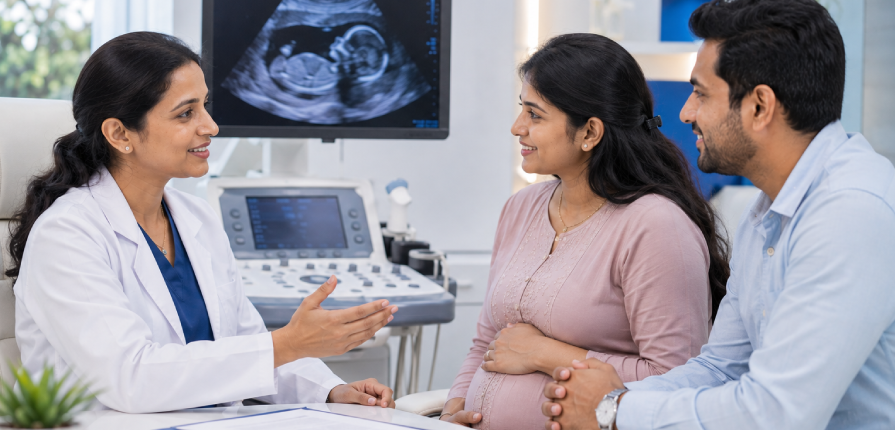
High Risk Obstetrics Care in Karimnagar
For most women, pregnancy moves along quietly, one trimester into the next, ending in a healthy delivery and a trip home with the baby a day or two later. But pregnancy does not always follow that script. Sometimes the mother’s own health, sometimes the pregnancy itself, and sometimes the baby’s development brings in complications that need closer attention than a routine antenatal visit can offer. That is what doctors mean when they call a pregnancy “high risk,” and it is where Dr. Rekha Rani’s experience in high risk obstetrics care in Karimnagar makes the biggest difference.
A high risk pregnancy simply means there is a higher than usual chance of a complication affecting the mother, the baby, or both. It does not mean something will go wrong. It means the pregnancy needs to be watched more closely, by someone who knows exactly what to look for and how to act quickly if needed.
What Puts a Pregnancy Into the High Risk Category
There is no single reason a pregnancy gets classified this way. It usually comes down to one or more of the following.
The mother’s age
Pregnancies in women younger than 17 or older than 35 carry a somewhat higher chance of complications than those in the late teens to early thirties. Past the age of 40, the chances of miscarriage and genetic conditions rise further.
Health conditions that were already there before pregnancy
High blood pressure, heart or kidney disease, diabetes, autoimmune disorders, thyroid problems, chronic infections such as HIV, or a history of miscarriage or genetic disorders in the family can all shape how a pregnancy needs to be managed. Ideally, these are discussed with your doctor before you even conceive, so tests, medications, and precautions can be sorted out in advance.
Conditions that develop during the pregnancy itself
A woman can be perfectly healthy going in and still develop something like preeclampsia, marked by high blood pressure, protein in the urine, and swelling, or gestational diabetes, which appears only during pregnancy. Both are manageable with the right care, but both need to be caught early.
Complications tied to the pregnancy, not the mother’s health
This includes premature labour before 37 weeks, carrying twins or more, placenta previa (where the placenta covers the cervix), or structural issues in the baby that sometimes show up on an ultrasound. None of these are anyone’s fault. They are simply things that need a trained eye watching for them.
Conditions Dr. Rekha Rani Manages
Over years of practice, Dr. Rekha Rani has handled a wide spectrum of high risk obstetric situations for women across Karimnagar and neighbouring areas, including:
| Category | Examples |
|---|---|
| Obstetric emergencies | Emergency cerclage, multiple pregnancies, antepartum haemorrhage, PROM, preterm labour, CPD, malpresentations, eclampsia, severe PIH, gestational diabetes, previous LSCS, VBAC (vaginal birth after cesarean), Rh incompatibility, poor obstetric history, postpartum haemorrhage |
| PPH and surgical management | Uterine artery embolisation, uterine artery ligation, internal iliac artery ligation, B-Lynch suture, Mulberry suture, cesarean hysterectomy, fibroids and ovarian cysts complicating pregnancy |
| Medical disorders in pregnancy | Heart disease, diabetes, epilepsy, thyroid disorders, chronic renal failure, autoimmune conditions, acute viral and bacterial illnesses, liver disorders, blood disorders |
| Additional conditions monitored closely | Preeclampsia, twin and multiple pregnancies, placenta previa, preterm labour, PROM, IUGR (intrauterine growth restriction), anaemia in pregnancy, thyroid disorders in pregnancy, cardiac conditions in pregnancy, RH incompatibility, postpartum haemorrhage |
This range matters because high risk pregnancies rarely come with a single, simple label. They often involve more than one factor at once, and treatment decisions have to account for the mother’s overall health as much as the pregnancy itself.
How Care Is Approached
Rather than treating every visit the same way, high risk pregnancies at Rekha Sagar IVF & Research Center are followed with a plan built around what is actually going on. That usually means more frequent check-ups, closer monitoring through scans and blood work, and a clear line of communication so that if something changes, it gets addressed immediately rather than at the next scheduled appointment.
Dr. Rekha Rani’s background in obstetric surgery also means that if an emergency does arise - whether that is a haemorrhage, an unexpected complication during labour, or a condition that needs prompt surgical intervention - the same team managing the pregnancy is equipped to handle it without a delay in transferring care.
Steps That Help Before and During Pregnancy
Even without an existing condition, a preconception visit is worth considering. Small, practical steps make a real difference:
- Start folic acid, at least 400 micrograms daily, before conception and continue through pregnancy
- Stay up to date on recommended immunizations
- Eat well and maintain a healthy weight
- Stay physically active unless your doctor advises otherwise
- Avoid cigarettes, alcohol, and any medication not cleared by your doctor
- Keep up with regular check-ups, even when everything feels fine
When to Call Right Away
Certain symptoms during pregnancy should never wait for the next scheduled visit. Reach out immediately if you notice heavy bleeding, severe or persistent headaches, sudden swelling in the face or hands, reduced baby movement, contractions before 37 weeks, or any symptom that simply feels wrong to you. Trust that instinct. It is always better to check and be reassured than to wait.
Frequently Asked Questions
A combination of factors - the mother’s age, pre-existing health conditions, complications that develop during pregnancy such as preeclampsia or gestational diabetes, and pregnancy-specific issues like twins or placenta previa - can all place a pregnancy in the high risk category. Being classified high risk means closer monitoring, not that something will definitely go wrong.
Usually, yes. High risk pregnancies are typically monitored with more frequent ultrasounds and blood tests than a standard pregnancy, so that any change can be caught and addressed early.
In many cases, yes. A high risk classification does not automatically mean a cesarean is required. The safest mode of delivery depends on the specific condition involved and is decided closer to your due date based on how the pregnancy is progressing.
If you already have a condition such as diabetes, thyroid disease, or high blood pressure, a preconception consultation is strongly recommended so that medications and monitoring can be planned before pregnancy begins.
Yes. Because Dr. Rekha Rani’s team manages both the pregnancy and any surgical complications that arise, high risk patients have a direct line of care rather than needing to be transferred elsewhere in an emergency.
A Word From the Clinic
High risk does not mean high worry. It means your pregnancy deserves a specialist who has seen these situations before and knows how to manage them calmly and competently. Dr. Rekha Rani and the team at Rekha Sagar IVF & Research Center, Karimnagar, are here to walk through that journey with you, from the first visit to the day you bring your baby home. Call +91 949 070 4277 to book a consultation.